Curriculum
17 units, 136 lessons, 17 cases.
From the bone a screw holds to the machine that cut it, the room it’s used in and the rules it’s sold under. Units 1 and 2 are free.
-
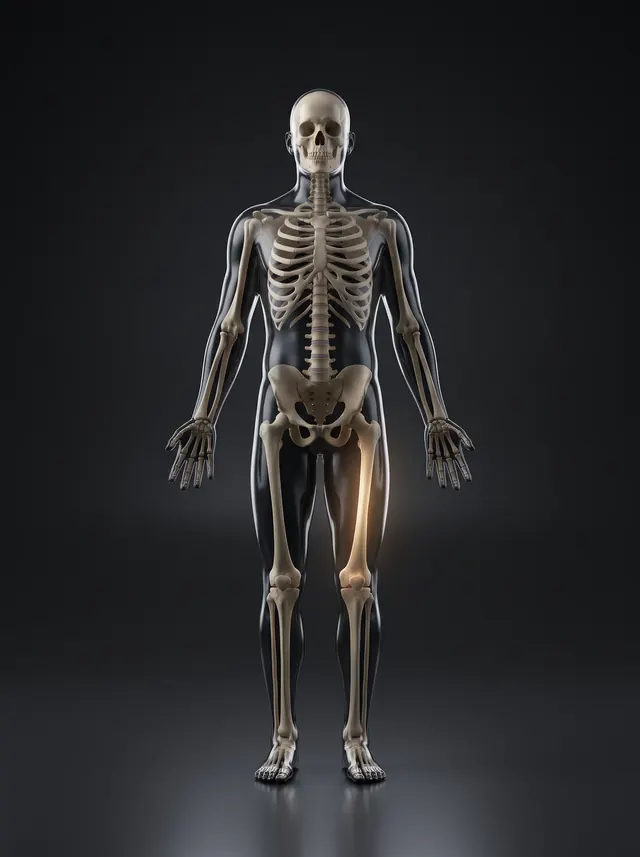
One Screw
Follow a 3.5 mm bone screw from the thigh bone it holds to the machine that cut it. Then solve the recall.
Case 001 · The Recall
-
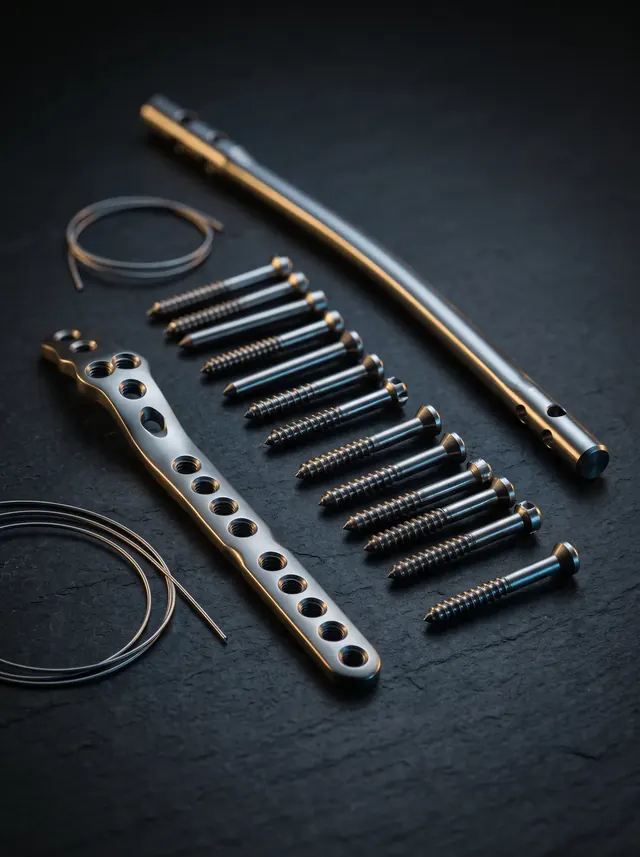
The Trauma Toolbox
Plates, nails, frames and wires — what each one does, which size goes where, and how a complete set reaches the operating room. Then find out why a plate bent.
Case 002 · The Plate That Bent
-
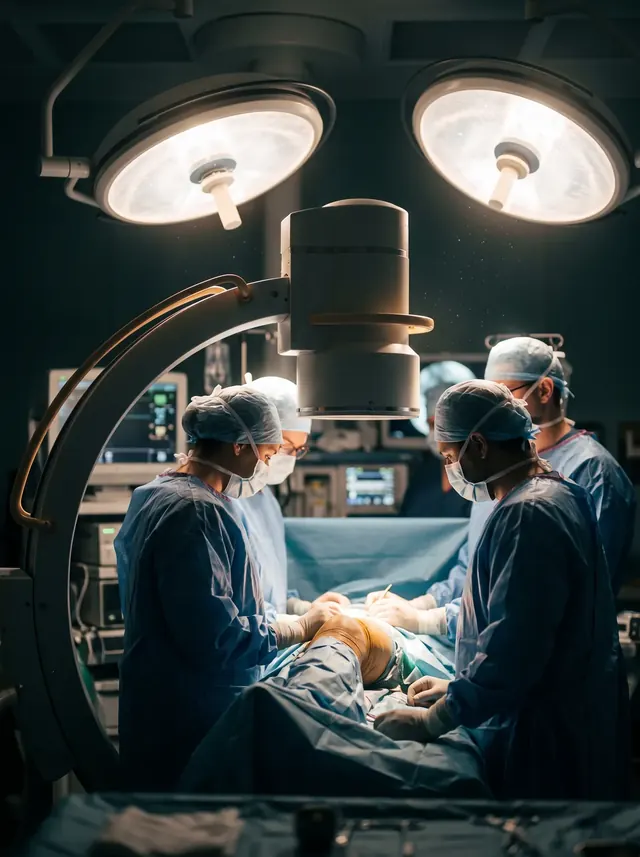
Inside the Operating Room
Who does what in theatre, how the sterile field works, the checks that keep patients safe — and what a rep can and can’t do. Then trace every screw of a recalled lot to the right patient.
Case 003 · The Missing Label
-
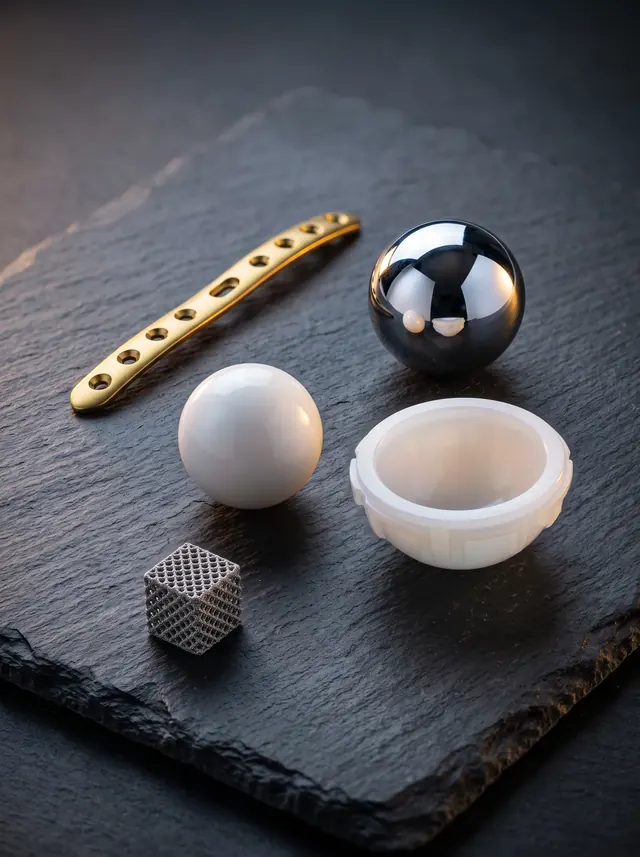
Materials & Surfaces
What implants are made of and why: three metals, stiffness and bone, corrosion, wear, colour, printed lattices and materials that dissolve. Then find out why a titanium plate came out stained black.
Case 004 · The Dark Stain
-
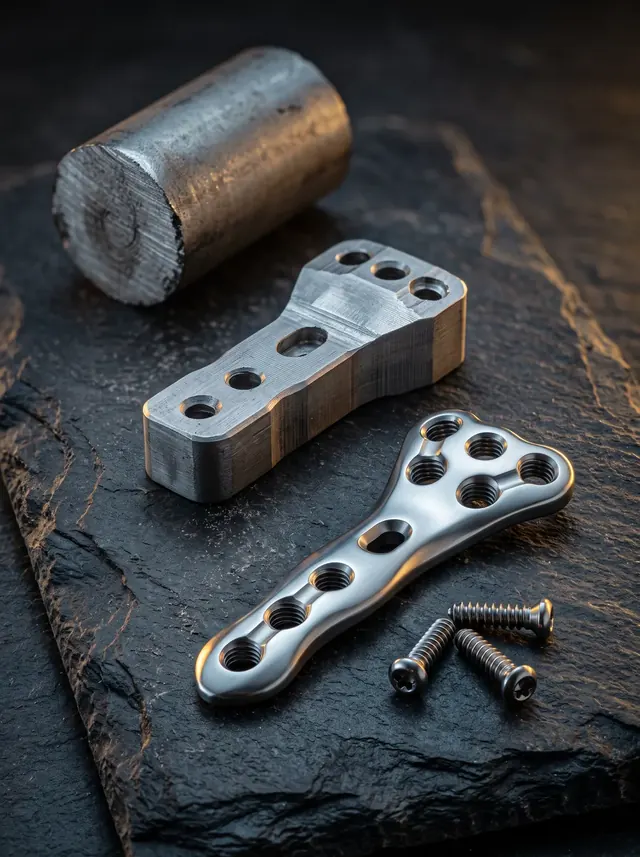
From Bar to Implant
How a plain metal bar becomes a sterile, traceable implant: machining, forging and printing, tolerances and control charts, cleaning, marking, packing and release. Then find out why locking screws started jamming.
Case 005 · Screws That Won’t Lock
-
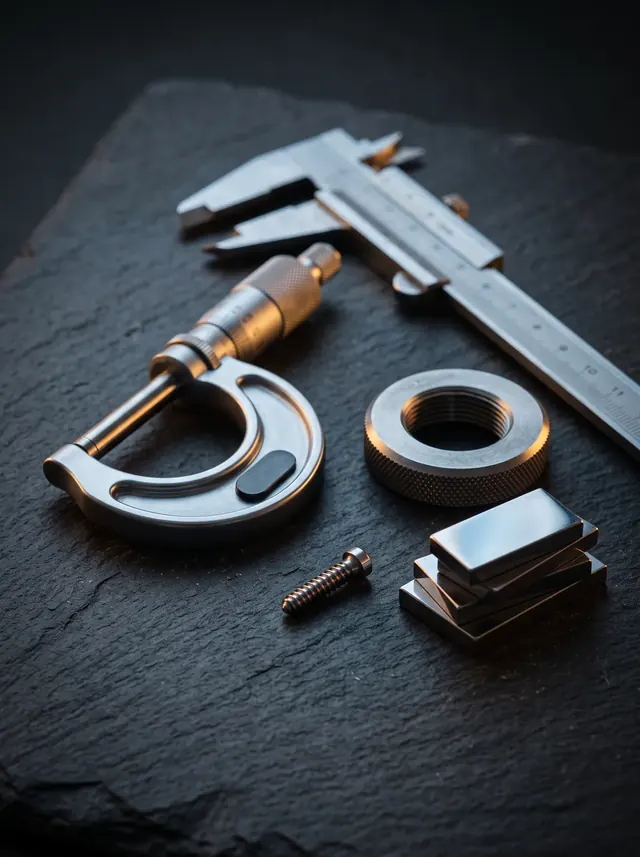
Measure Everything
How a factory proves every part is right: four checkpoints, callipers and micrometers, go/no-go gauges, profiles, calibration, destructive testing, validation and what happens to a bad part. Then find out how oversize screws passed inspection.
Case 006 · The Micrometer
-
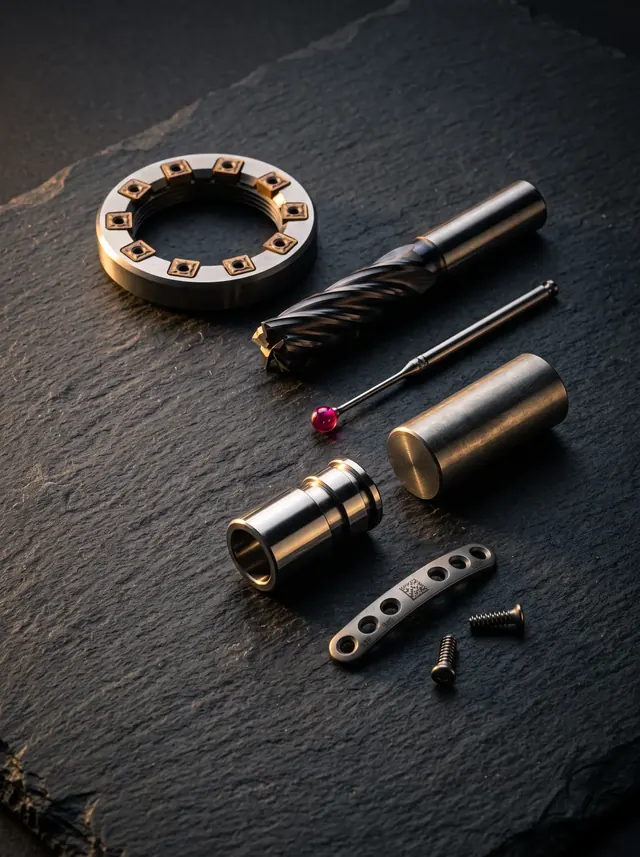
The Factory Floor: Machines & Makers
The machines that make implants: who builds them, what they cost in 2026, what each is best at, and how to choose — with a selection wizard and a cost-per-part calculator. Then find out why a bargain lathe is losing a contract.
Case 007 · The Bargain Lathe
-
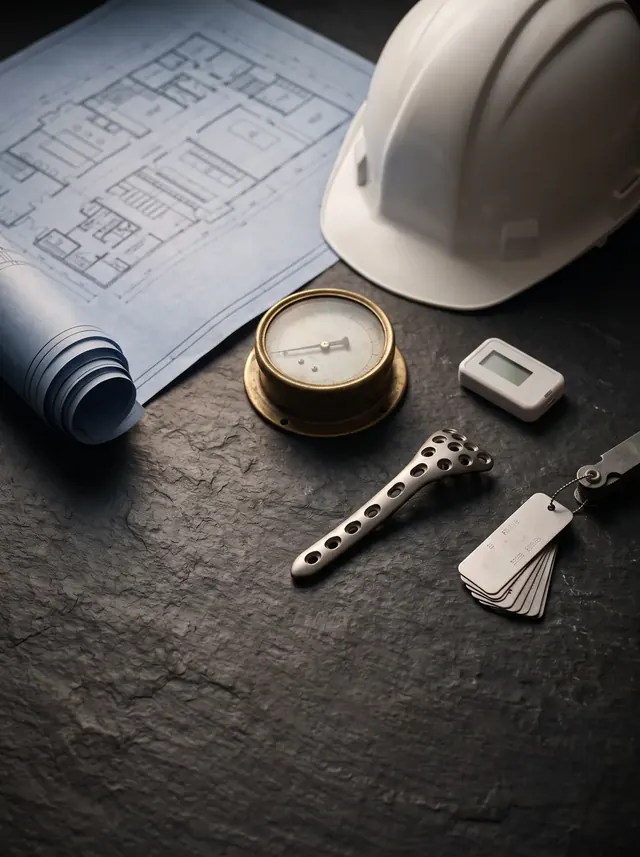
Factory Estate & Operations
The factory behind the parts: choosing a building, laying out a one-way flow, critical utilities like compressed air and purified water, the 20 °C measuring room, cleanroom monitoring, maintenance and calibration, capacity and OEE, and a safe shop floor. Then find out how oil got onto sterile plates.
Case 008 · The Borrowed Compressor
-
Clean, Pack, Sterilise
How an implant becomes sterile and stays that way: what ‘sterile’ really means, steam, gas, radiation and vapour, bioburden and dose, cleanrooms, package testing, hospital reprocessing and release. Then find out why sterile pouches are arriving wet.
Case 009 · The Pouch That Leaked
-
Design Controls & Testing
How a new implant is designed and proven: user needs, measurable inputs, verification and validation, FDA’s pass marks for screws and plates, worst-case testing, traceability and design reviews. Then chair the review for a plate that fails by 4%.
Case 010 · The Thinner Plate
-
The Quality System & Risk
How a company stays in control: ISO 13485 and the new US QMSR, documents and records, ISO 14971 risk management, complaints and reporting deadlines, CAPA that goes beyond retraining, suppliers, audits and post-market surveillance. Then follow a signal that only the registry could see.
Case 011 · The Signal in the Registry
-
Approved to Sell — and Stay Sold
How an implant earns the right to be sold and keeps it: US classes and the 510(k), EU classes and the CE route, predicates, change decisions, UDI, reading any country’s system, staying sold and honest claims. Then answer an FDA inspector about a plate variant.
Case 012 · The Plate Nobody Told FDA About
-
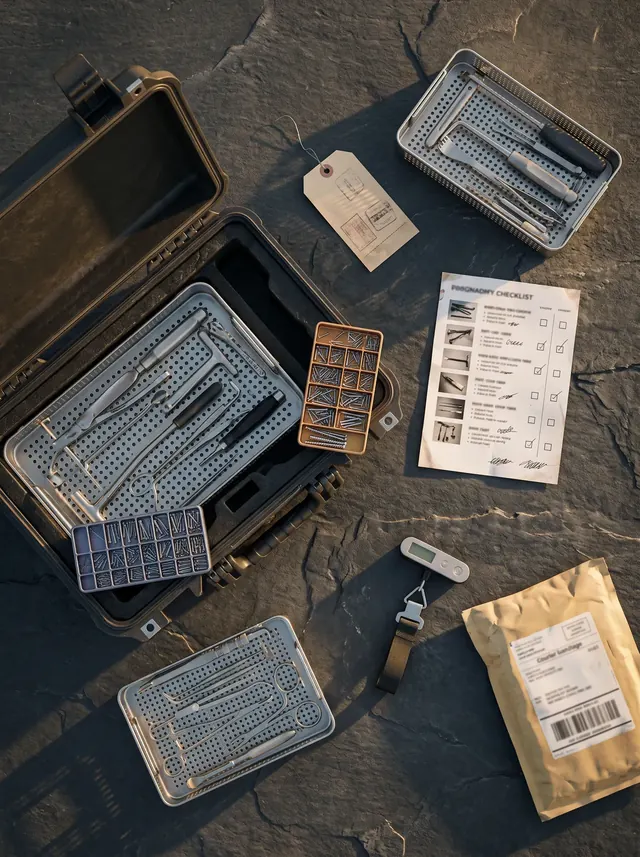
Supply & Logistics
How the right implant reaches the right theatre: consignment, bill-only and loaner sets, arrival rules, tray weights, count-backs, expiry, kits and the scan that drives traceability and billing. Then find out why a trauma case was stopped at 7:42.
Case 013 · The Set That Arrived at 6 a.m.
-
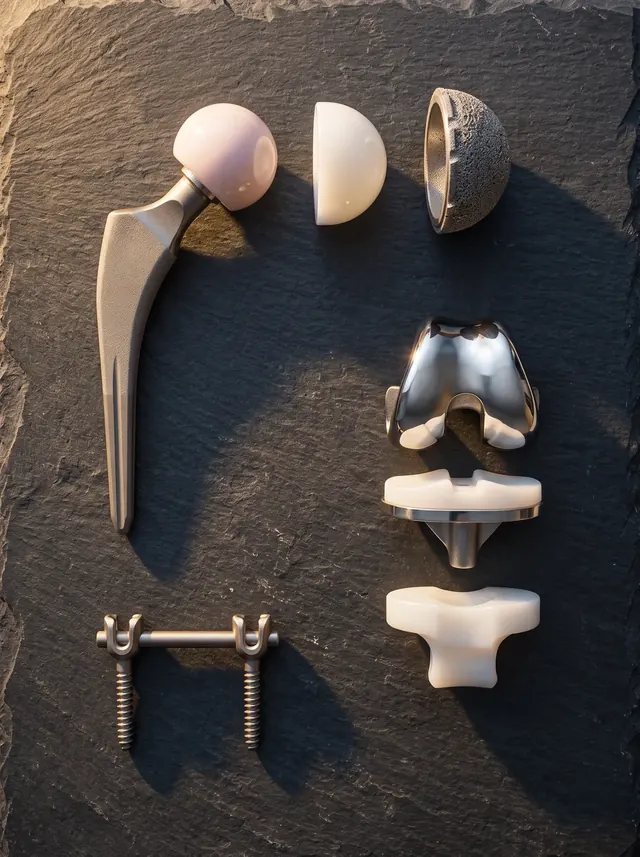
Beyond Trauma: Joints & Spine
Beyond fracture fixation: hip, knee and shoulder replacements, cemented and cementless fixation, bearings, spinal fusion devices, registries and ratings, and why joints are revised. Then investigate hips that started to hurt.
Case 014 · The Hip That Wore Out
-
Selling Value: Surgeons, Ethics & Economics
Selling the right way: the AdvaMed and MedTech Europe codes, fair-market-value consulting, red flags, how hospitals are paid, episode economics, hidden prices and waste, value analysis committees and evidence that holds up. Then prepare a premium plate for a committee.
Case 015 · The Premium Plate
-
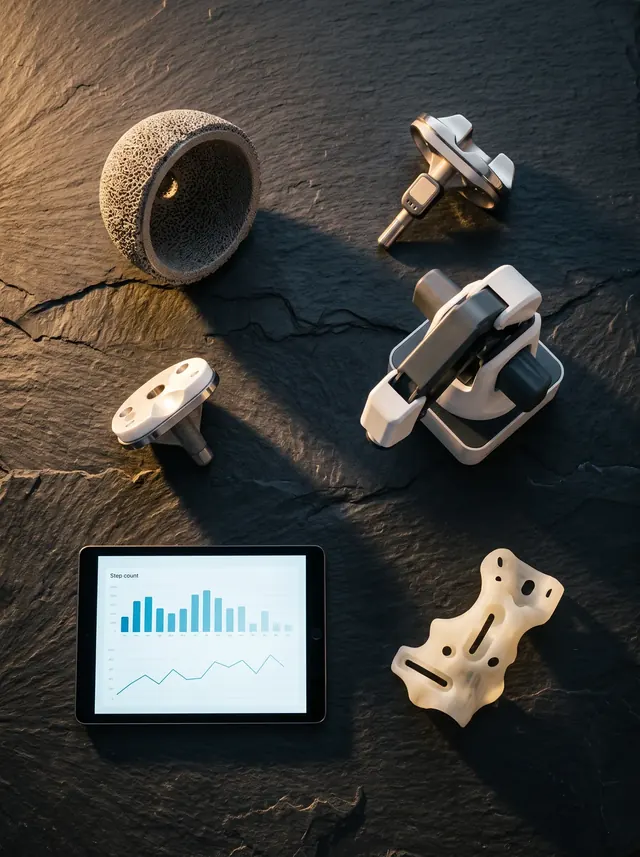
New Technologies
Robots, navigation, patient-specific and printed implants, smart implants, AI in the factory, and the skill that matters most: telling precision from outcome. Then advise a hospital board on buying a robot.
Case 016 · The Robot Pitch
-

Final Assessment & Career Tracks
Pull it all together: careers and credentials, leadership choices, crisis response, the technical file, interview practice, your competency radar and your track. Then lead the response to Lot 9001 — the course in one case.
Case 017 · Lot 9001