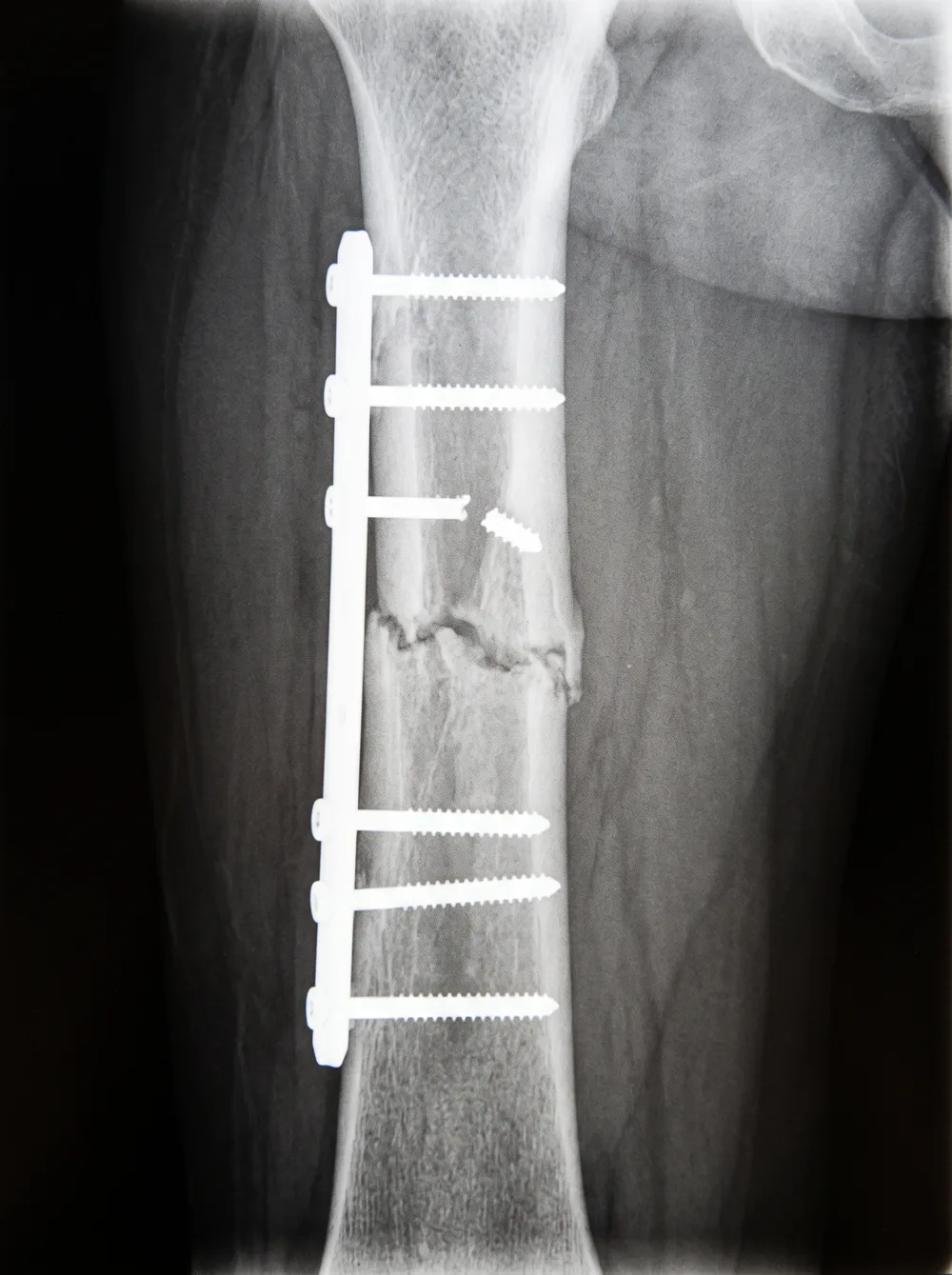

Before day one
- Hospital credentialing started. Each hospital sets its own rules for vendor representatives (identification, immunisations, checks, its policy training). Start early: it is often what delays the first case.
- A mentor named: an experienced rep they shadow for the month.
- Accounts and kit ready: catalogue, surgical technique guides for the core products, the set lists.
- Learning assigned: the course units below, with dates. On OrthoReady, invite them to your team so you can see their progress.

Week 1 · The products and the rules
- Learn the basics: bones, how breaks are held, screws, plates, nails and the set. Units 1–2
- Read the surgical technique guide for the five products they’ll support most.
- Complete compliance training: the industry code that applies (AdvaMed, MedTech Europe or MTAA) and company policy on gifts, meals and consulting. Unit 15
- Ride along with the mentor outside theatre: hospital visits, the stores, the sterile services department.
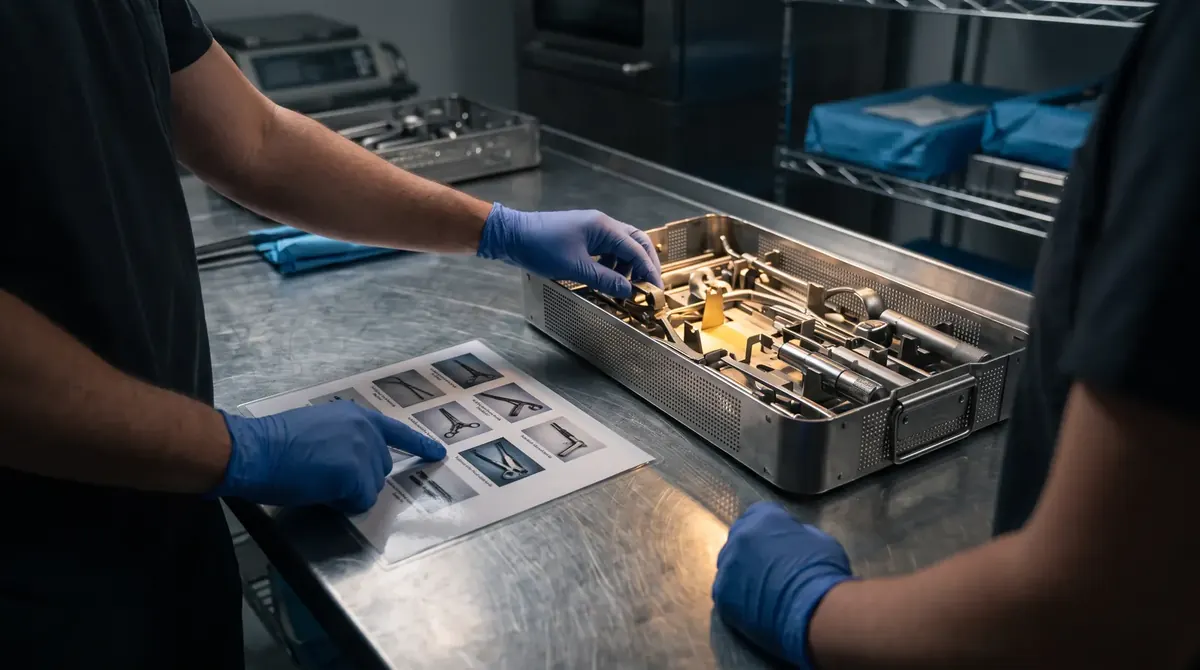
Week 2 · Theatre and the sets
- Learn who does what in theatre, the sterile field, and what a rep may and may not do. Unit 3
- Observe cases with the mentor (where credentialing allows), standing back from the sterile field.
- Lay out and count a full trauma set; spot a missing or wrong item. Unit 13
- Follow a loaner set through delivery, use, return, cleaning and sterilisation. Unit 9

Week 3 · Depth: answer the hard questions
- Materials, how the implants are made and how the factory checks them, so they can answer surgeons and nurses honestly. Units 4–6
- Learn the main competing products and how ours differ, in plain, factual terms.
- Know how to report a complaint or adverse event, to whom and how fast. Unit 11
- Practise a two-minute explanation of the core product to the mentor.

Week 4 · Value, regulation and the first supported case

Day-30 sign-off
The new rep can, without notes:
- Name every implant and instrument in the core set and say what it is for.
- Count a set, and find what is missing.
- Explain the sterile field rules and where a rep stands.
- Report a complaint the right way, within the company’s deadline.
- State the compliance rules for meals, gifts and consulting.
- Show completed course units and compliance training for the training file.